Product Description
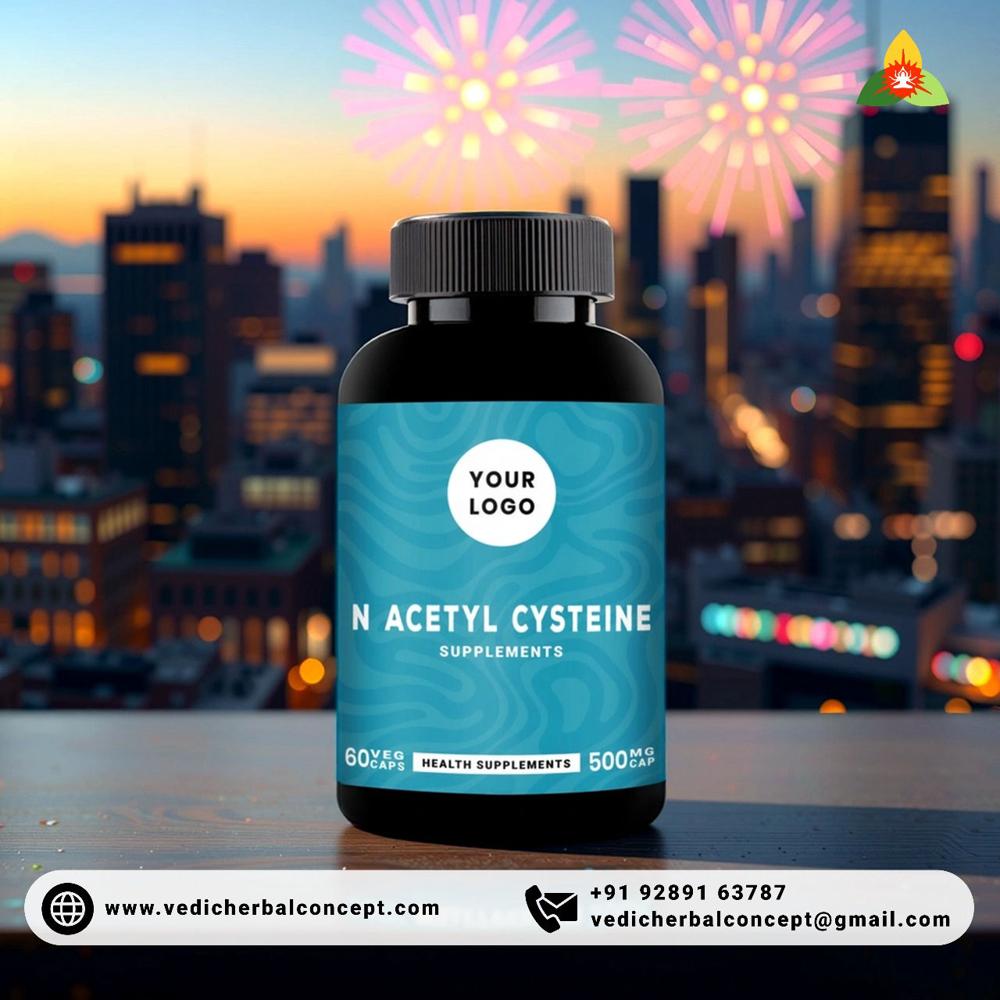
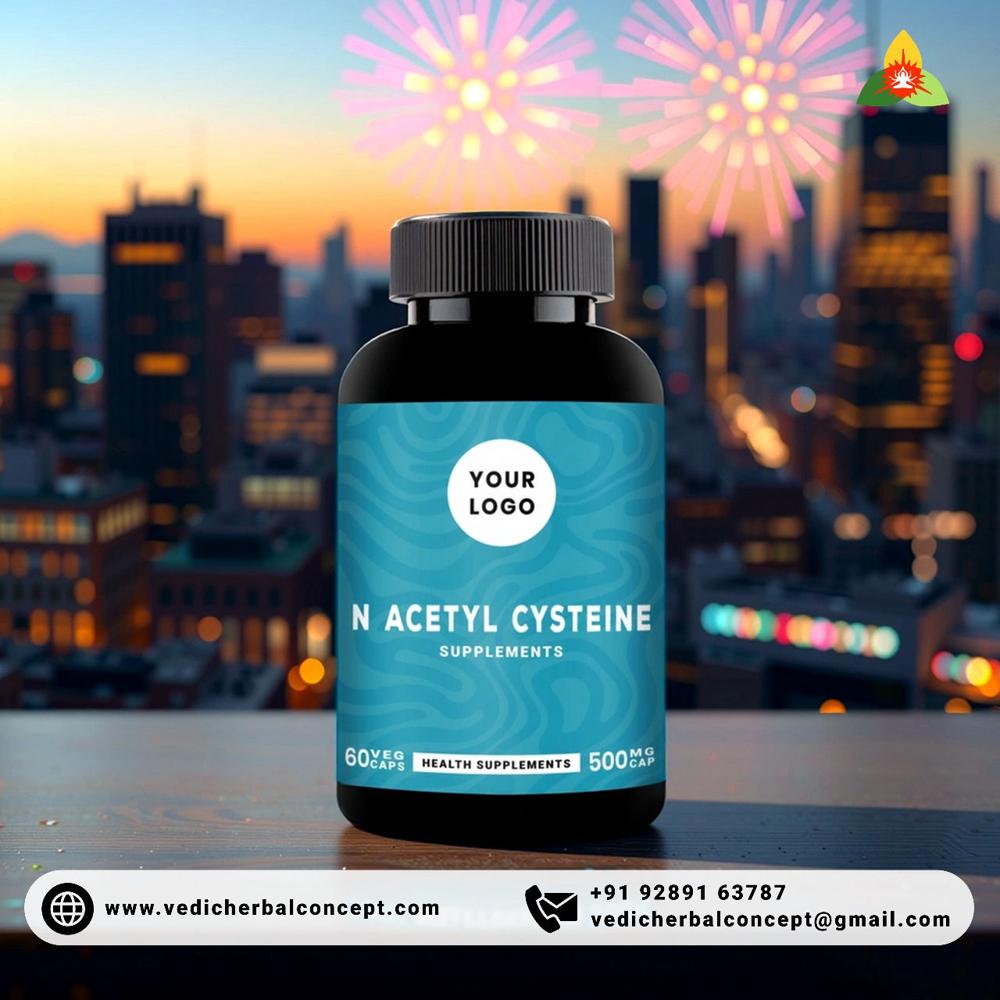
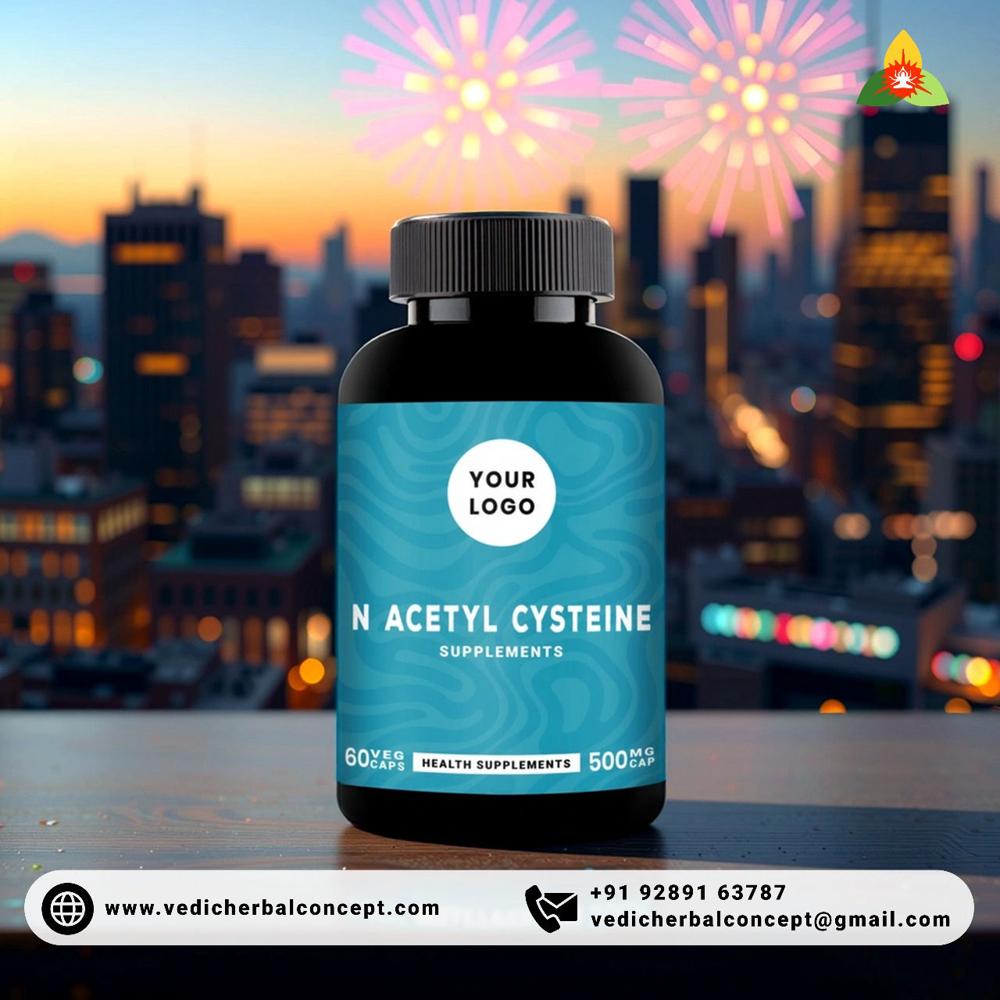
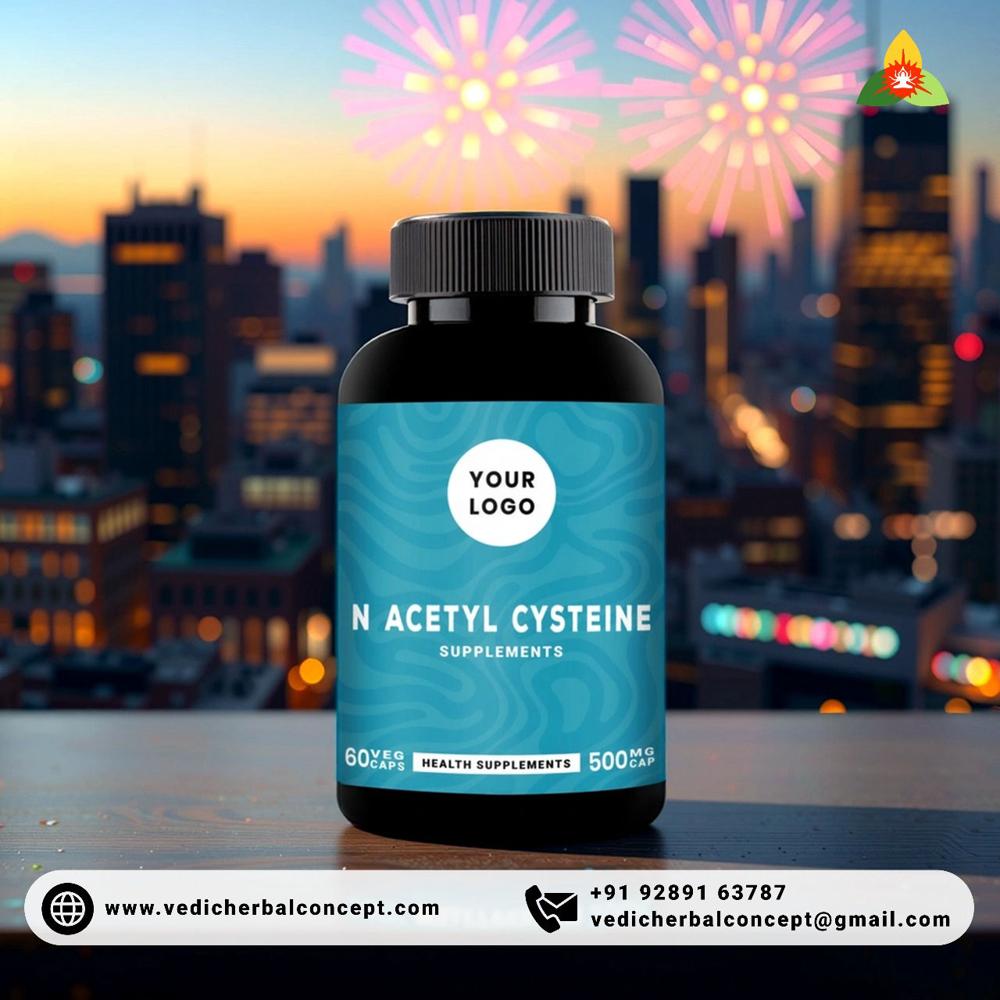
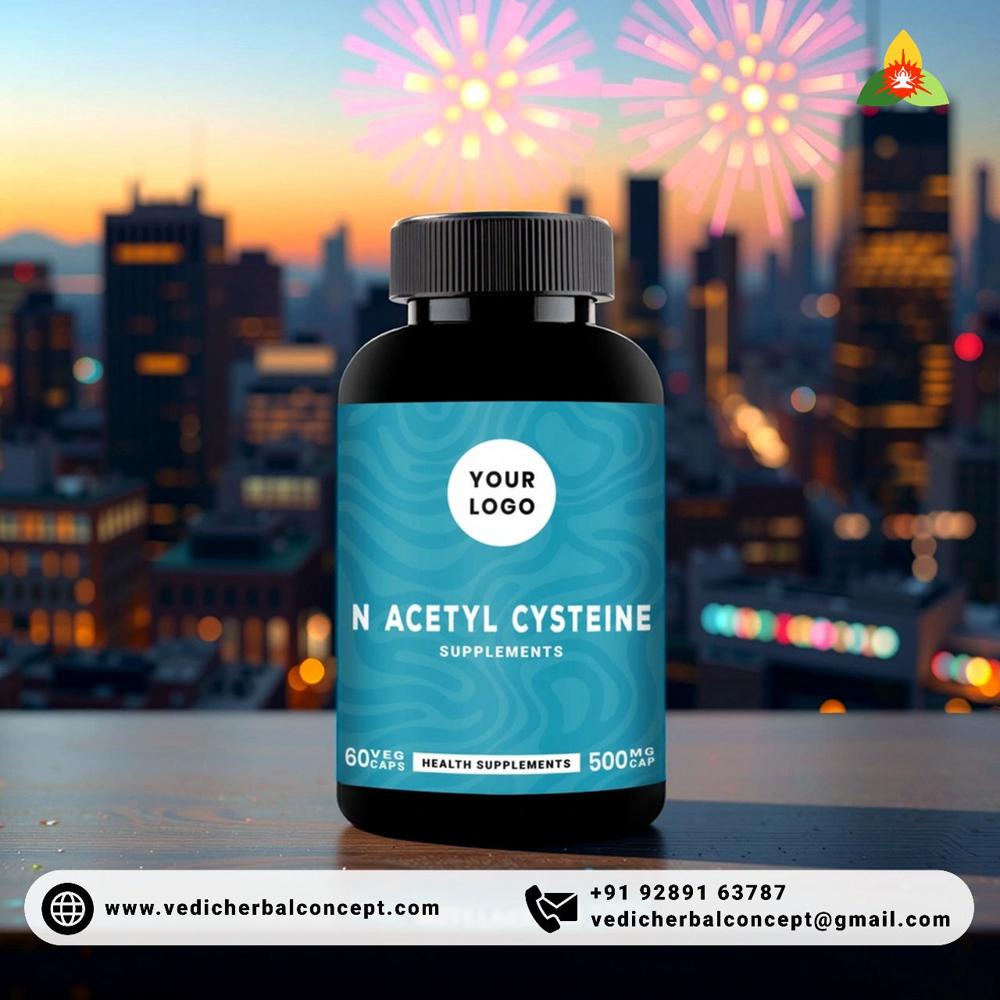
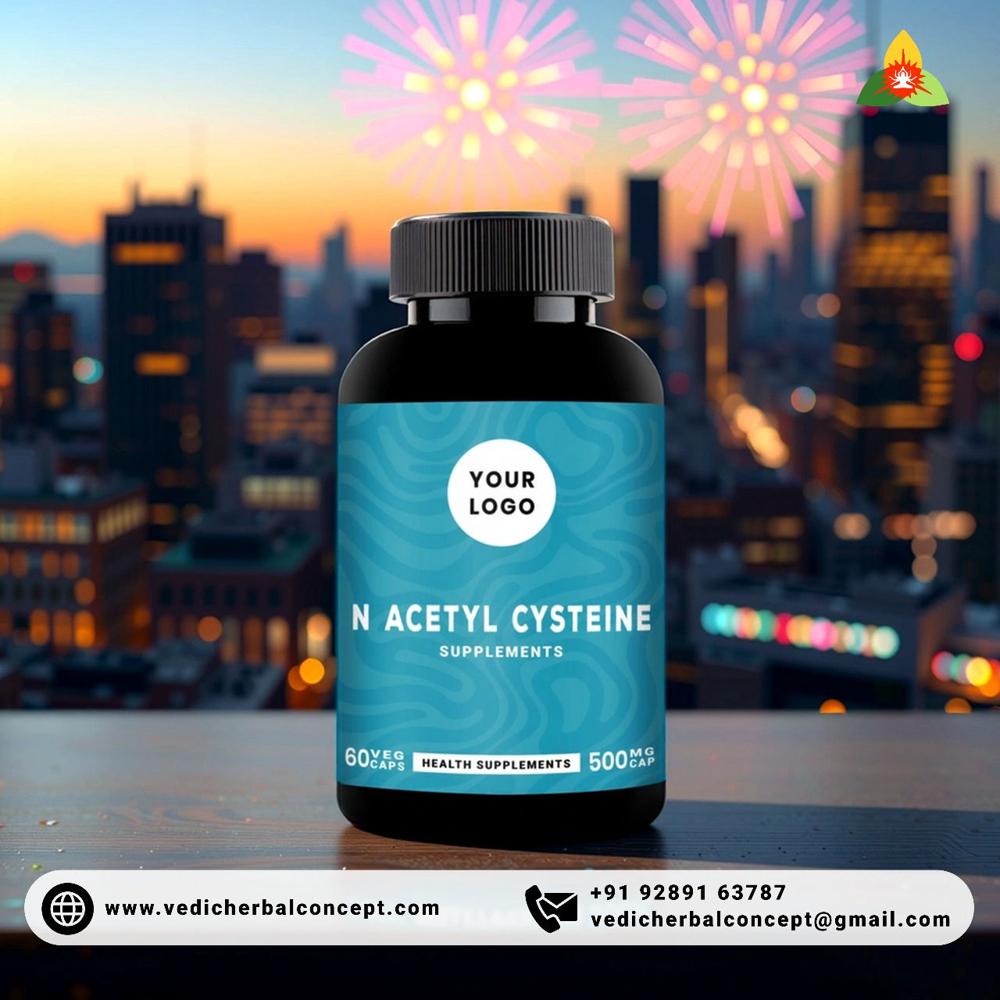
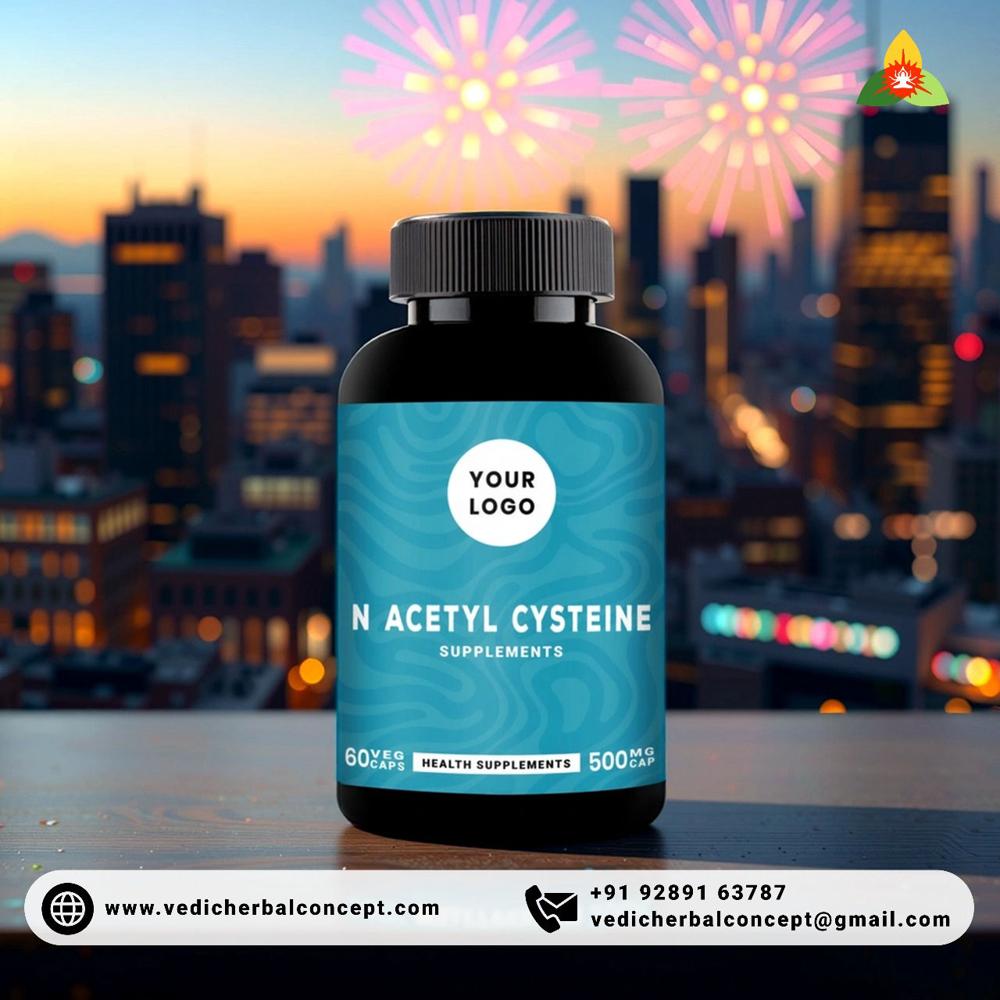
N-acetylcysteine (NAC) is a supplement derived from the amino acid L-cysteine and is well-regarded for its potent antioxidant and anti-inflammatory properties. It primarily works by boosting the body's levels of glutathione, a powerful antioxidant that helps neutralize harmful free radicals. NAC is available in capsule form and is used for a wide range of health purposes, though robust clinical evidence for some applications is still developing.
Potential health benefits and uses
Respiratory health
NAC is a potent mucolytic agent, meaning it helps thin and loosen mucus in the respiratory tract.
Chronic respiratory conditions: It can help reduce the frequency and severity of flare-ups in people with chronic bronchitis and Chronic Obstructive Pulmonary Disease (COPD) by decreasing inflammation and breaking up mucus in the airways.
Cystic fibrosis: For people with cystic fibrosis, NAC may help lessen inflammation and break up the bacterial biofilms that form in the lungs.
Liver and kidney support
Detoxification: NAC is a standard medical treatment for acetaminophen (paracetamol) overdose. It works by replenishing glutathione, which helps break down the toxic byproducts of the drug before they can cause severe liver or kidney damage.
Liver disease: Research suggests NAC may improve liver function in people with non-alcoholic fatty liver disease (NAFLD), though more study is needed.
Brain and mental health
NAC's antioxidant effects and its ability to regulate the neurotransmitter glutamate have led to its exploration in various brain and mental health conditions.
Psychiatric disorders: Studies have shown promise for NAC as an add-on treatment for psychiatric disorders such as schizophrenia, bipolar disorder, obsessive-compulsive disorder (OCD), and severe autism.
Behavioral addictions: NAC has been investigated for reducing cravings associated with certain behavioral disorders, including gambling and substance use.
Fertility
Male infertility: By reducing oxidative stress, NAC supplements may help improve semen quality, including sperm motility and concentration, in infertile men.
PCOS: In women with polycystic ovary syndrome (PCOS), NAC may aid fertility by improving insulin resistance and promoting more regular ovulation.
Other potential benefits
Immune function: By boosting glutathione, NAC may enhance immune function, which has been studied in conditions like HIV and influenza.
Blood sugar regulation: NAC may help stabilize blood sugar by improving insulin resistance, particularly in people with obesity or PCOS.
Heart health: It may lower heart disease risk by protecting against oxidative damage and boosting nitric oxide, which promotes blood vessel dilation.
Dosage and bioavailability
There are no official dietary guidelines for cysteine or NAC, as the body can produce cysteine from other amino acids.
However, supplement doses typically range from 6001,800 mg per day.
NAC has low oral bioavailability, meaning it is not efficiently absorbed by the body.
Potential side effects and warnings
While NAC is generally considered safe for most adults, especially at typical doses, it can cause side effects.
Common side effects: Oral NAC can cause mild gastrointestinal issues, including nausea, vomiting, and diarrhea. It also has an unpleasant sulfur-like odor.
Allergies and asthma: In rare cases, more serious reactions like skin rash, swelling, or tightness in the chest can occur. Anyone with asthma should be monitored by a healthcare provider when taking NAC, as it can cause breathing problems.
Bleeding risk: NAC may slow blood clotting. If you have a bleeding disorder or are taking anticoagulant medication, you should consult a doctor before use.
We deal only in bulk orders.





 Send Inquiry
 Send Inquiry
 Call Me Free
