Product Description
Copper is an essential mineral that plays a vital role in several important bodily functions, including energy production, iron metabolism, and the formation of connective tissues. Most people can get enough copper from their diet, but supplements may be used for specific health conditions or a diagnosed deficiency.
Benefits of copper capsules
Supports the immune system: Copper is important for the production of white blood cells, which are critical for fighting infections. A copper deficiency can reduce the number of white blood cells and increase the risk of getting sick.
Boosts brain and nerve health: Copper helps produce neurotransmitters, the chemical messengers that send signals in the brain. It is also essential for brain development and function, and a deficiency can cause memory and learning problems.
Strengthens bones and connective tissue: Copper plays a role in creating cross-links within bone tissue and is required for the production of collagen and elastin, which provide structure to your body. This is crucial for maintaining bone and joint health.
Aids iron metabolism: Copper is necessary for the proper absorption of iron, which is then used to form red blood cells. A deficiency can lead to iron-deficiency anemia, causing fatigue and weakness.
Maintains cardiovascular health: Copper aids in the growth of new blood vessels and supports cardiovascular function. Some studies suggest that adequate copper intake can help reduce oxidative stress, which benefits heart health.
Provides antioxidant protection: Copper is a component of the antioxidant enzyme superoxide dismutase, which helps protect cells from damage caused by free radicals.
Contributes to healthy skin and hair: Copper is needed to produce melanin, the pigment responsible for the color of your skin and hair. Inadequate copper levels can lead to pale skin and premature graying.
Things to consider before taking copper capsules
Copper deficiency is rare: Most healthy individuals can meet their copper needs through a balanced diet, which includes foods like shellfish, nuts, seeds, and organ meats.
Risks of excess intake: While deficiency is rare, consuming too much copper can cause toxicity. Signs of copper toxicity include abdominal pain, nausea, diarrhea, and vomiting. Extremely high levels can cause liver and kidney damage.
Interactions with other supplements: High doses of zinc supplements can interfere with the body's ability to absorb copper.
Medical conditions: Certain rare genetic conditions, such as Wilson's disease, cause the body to accumulate excessive copper, and supplementation should be avoided.
Consult a doctor: It's best to speak with a healthcare provider before taking a copper supplement to determine if it's necessary and safe for you.
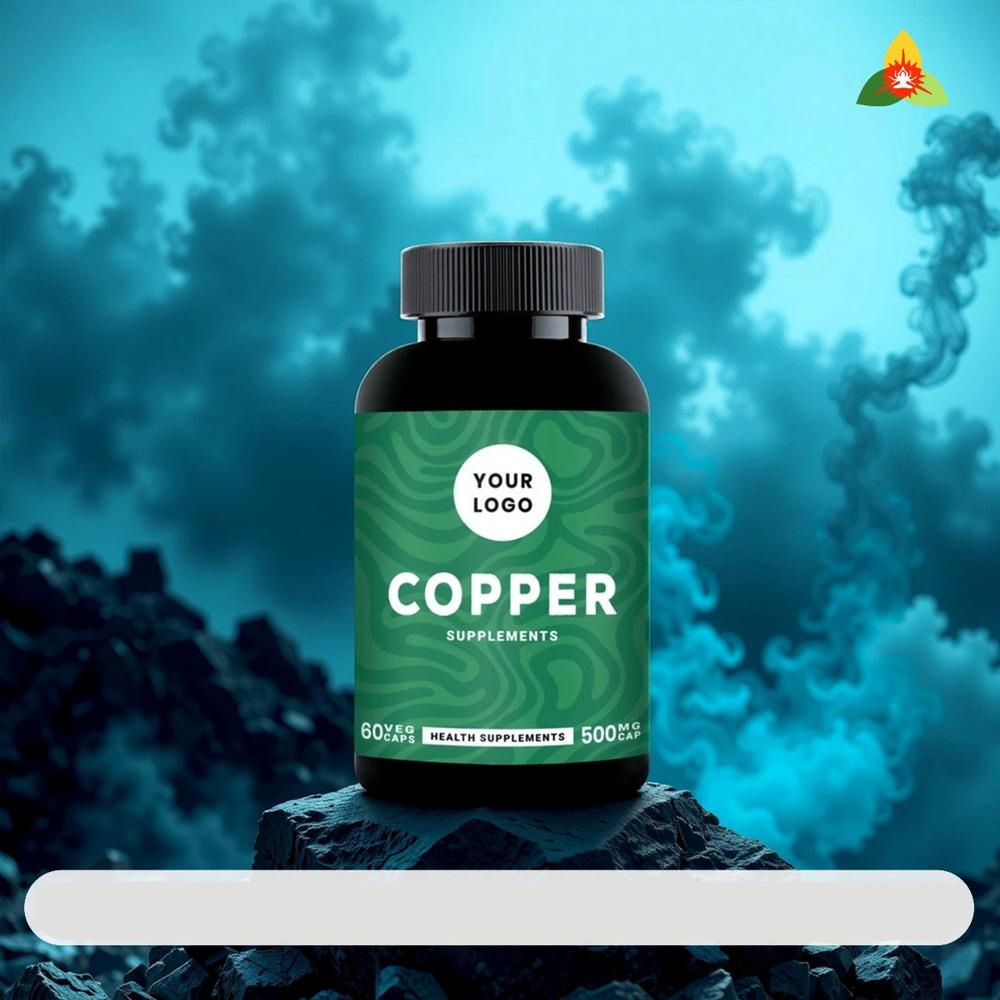
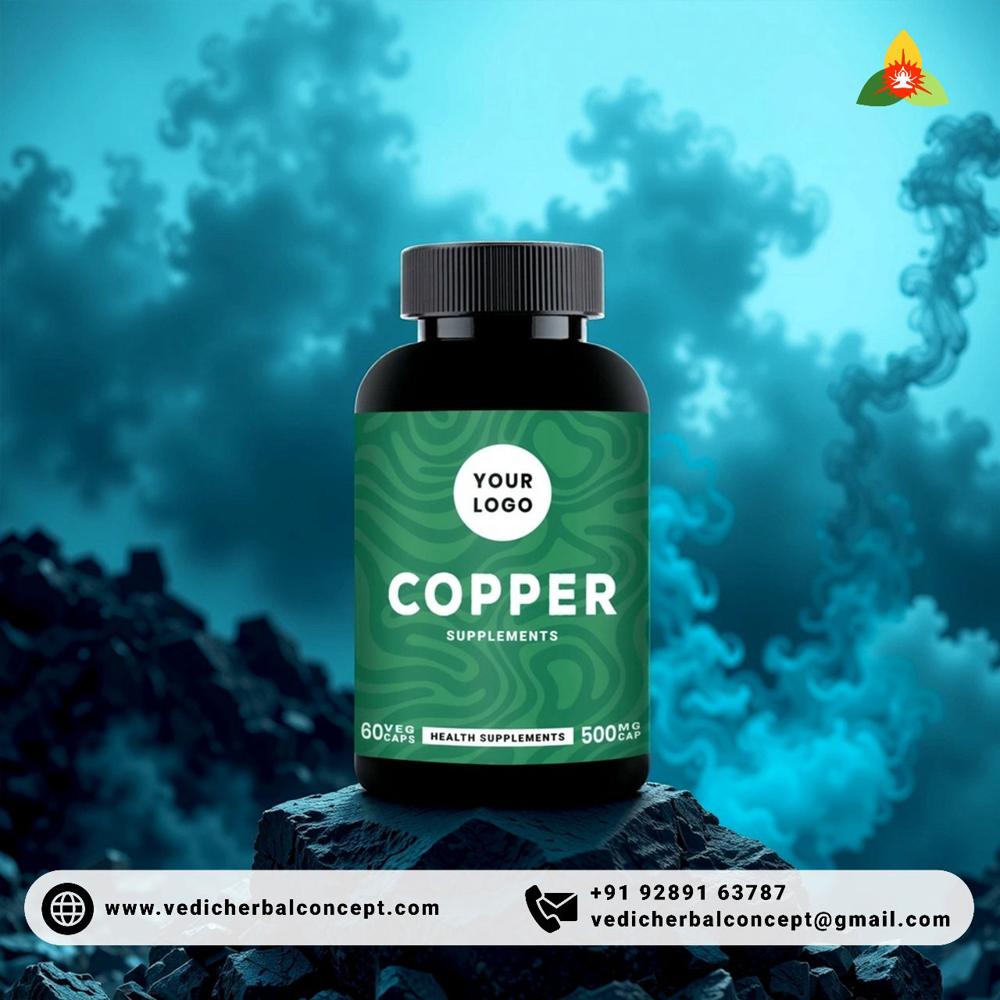
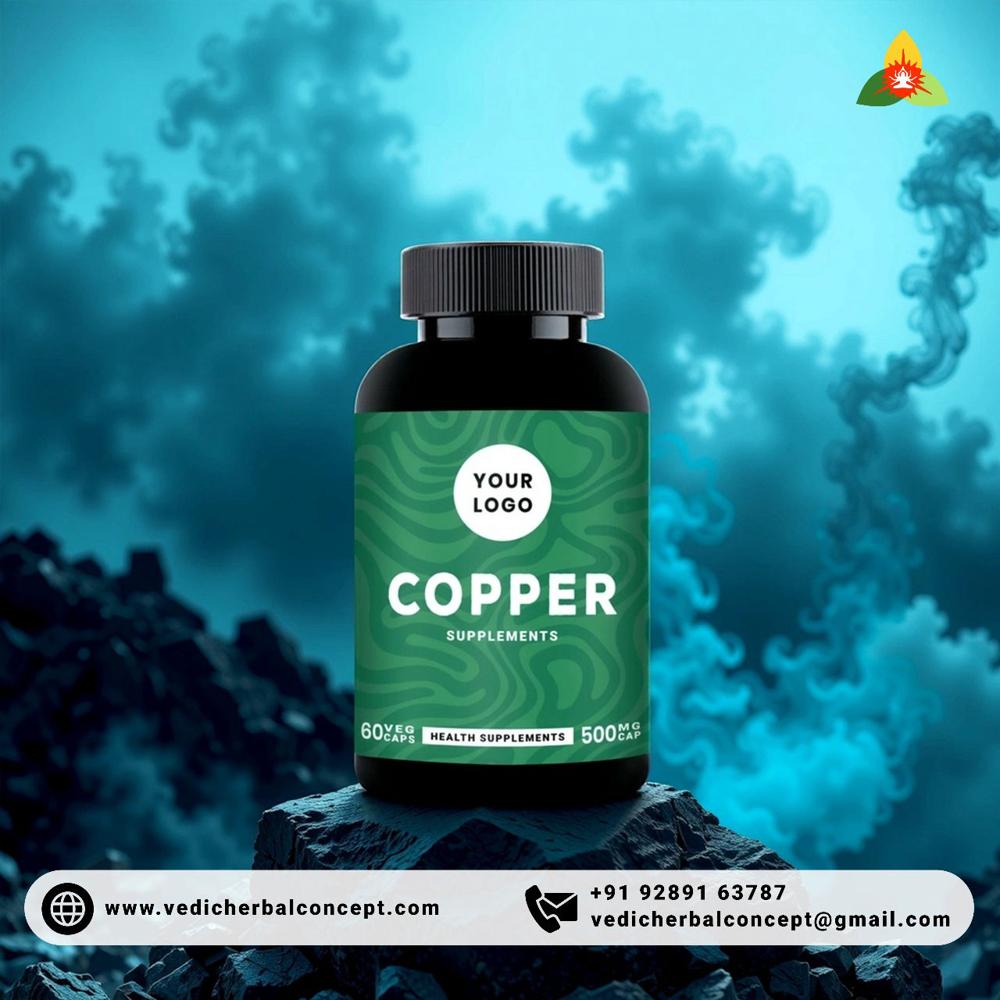
Why Choose Copper Capsules 500 MG?Copper Capsules 500 MG deliver a precise, high-purity copper dosage encapsulated in easy-to-swallow hard gelatin capsules. Manufactured in a GMP-certified facility and free from common allergens or artificial preservatives, these capsules serve as an excellent solution for adults needing nutritional copper support. The 99% purity and excellent solubility ensure fast, efficient absorption, enabling optimal health benefits with daily use.
Optimal Application and Directions for UseThis supplement is specially recommended for adults showing signs of copper deficiency or with increased copper requirements. Simply take one capsule a day, or as directed by your healthcare practitioner, to help support immune function and promote overall wellness. Consult your healthcare provider to determine the most suitable dosage and duration based on individual requirements.
Safe Packaging and Superior Shelf LifeEach bottle contains 60 capsules, safely housed in a durable, high-density plastic container to maintain potency. The clear batch and MRP labeling ensure traceability and transparency. With a long, two-year shelf life, and instructions to store away from sunlight and moisture, the capsules retain their effectiveness over time when properly stored.
FAQ's of Copper Capsules 500 MG:
Q: How should Copper Capsules 500 MG be taken for best results?
A: For optimal effectiveness, adults should take one capsule daily with water or as advised by a healthcare professional. Consistent use as part of your daily routine is recommended for maximum benefit.
Q: What are the key benefits of using Copper Capsules 500 MG?
A: These capsules help address dietary copper deficiency, support immune system function, and promote overall health. High bioavailability means the body can efficiently absorb and use the copper for physiological processes.
Q: Who should consider using this nutritional supplement?
A: Adults diagnosed with copper deficiency, those with increased copper requirements, or individuals seeking to support their immune system and general health can benefit most from this supplement. Always consult a healthcare provider before starting.
Q: What distinguishes these capsules from others in the market?
A: Copper Capsules 500 MG are produced in a GMP-certified facility using 99% pure copper sulphate, are free from gluten, soy, and dairy, and are packaged in HDPE bottles for improved safety and shelf life. The formulation prioritizes purity, precise dosage, and easy swallowing.
Q: Are there any allergens or preservatives included in the capsules?
A: No, these capsules do not contain common allergens such as gluten, soy, or dairy, and are free from artificial preservatives. However, please note that the capsules use gelatin, making them non-vegetarian.
Q: How can I ensure proper storage and shelf life of the product?
A: To maintain efficacy and shelf life, store the bottle in a cool, dry place away from direct sunlight and moisture. Follow the batch number and expiry information provided on the packaging for best usage practices.
Q: Where is this supplement manufactured and how is quality ensured?
A: Copper Capsules 500 MG are manufactured in India in a facility that is certified according to Good Manufacturing Practices (GMP), ensuring high-quality production standards and product safety.
We deal only in bulk orders.





 Send Inquiry
 Send Inquiry
 Call Me Free
