Product Description
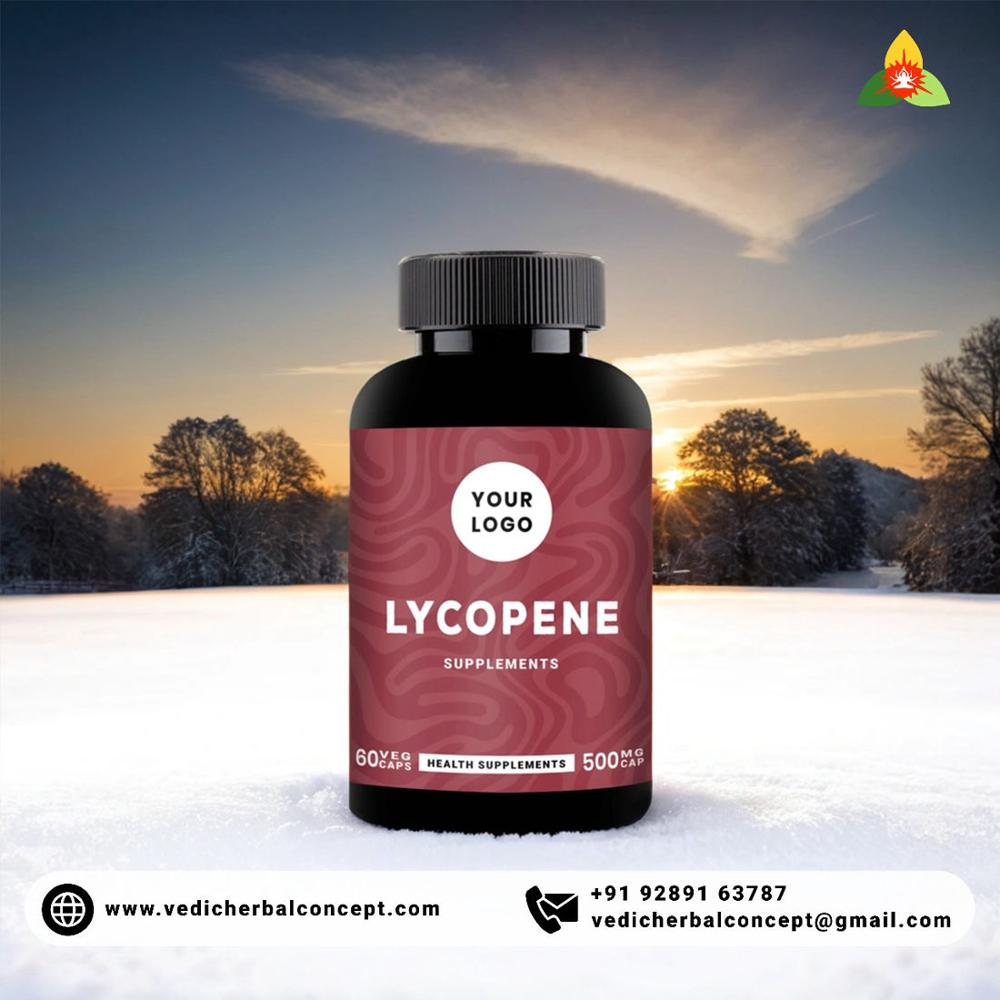
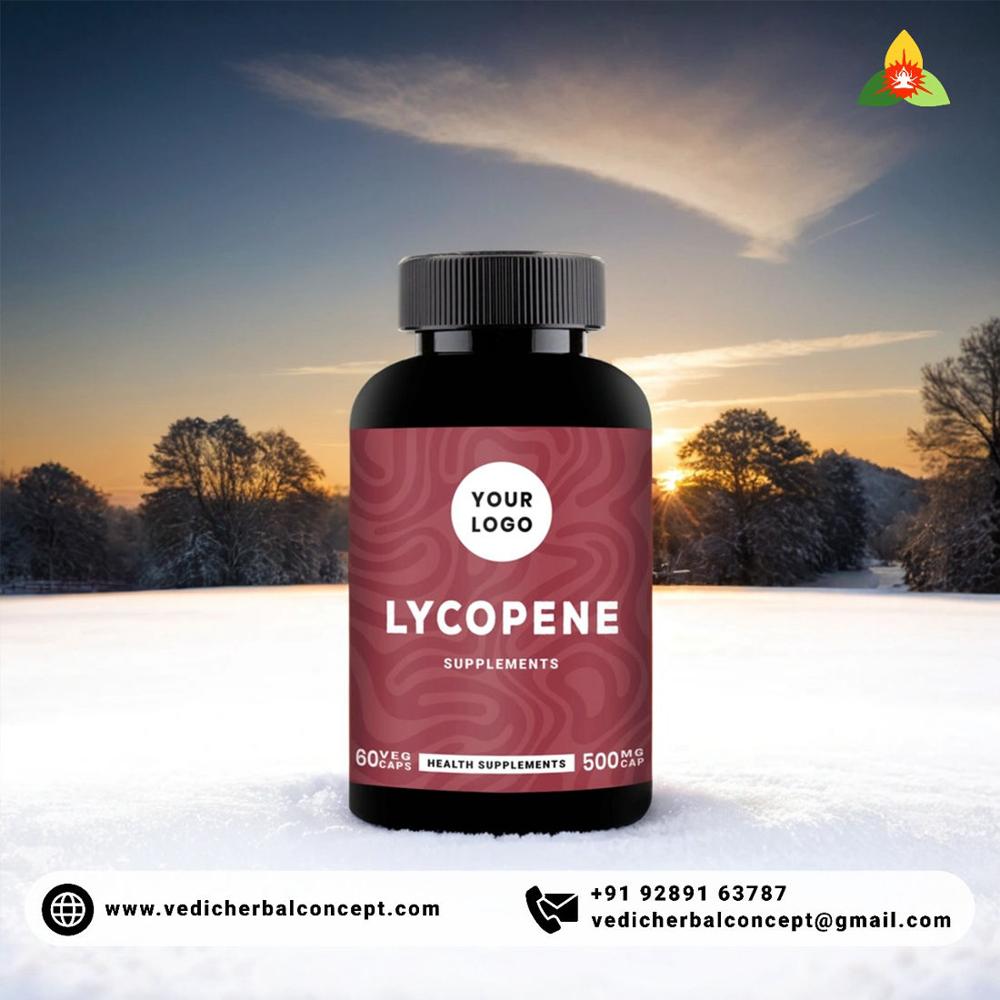
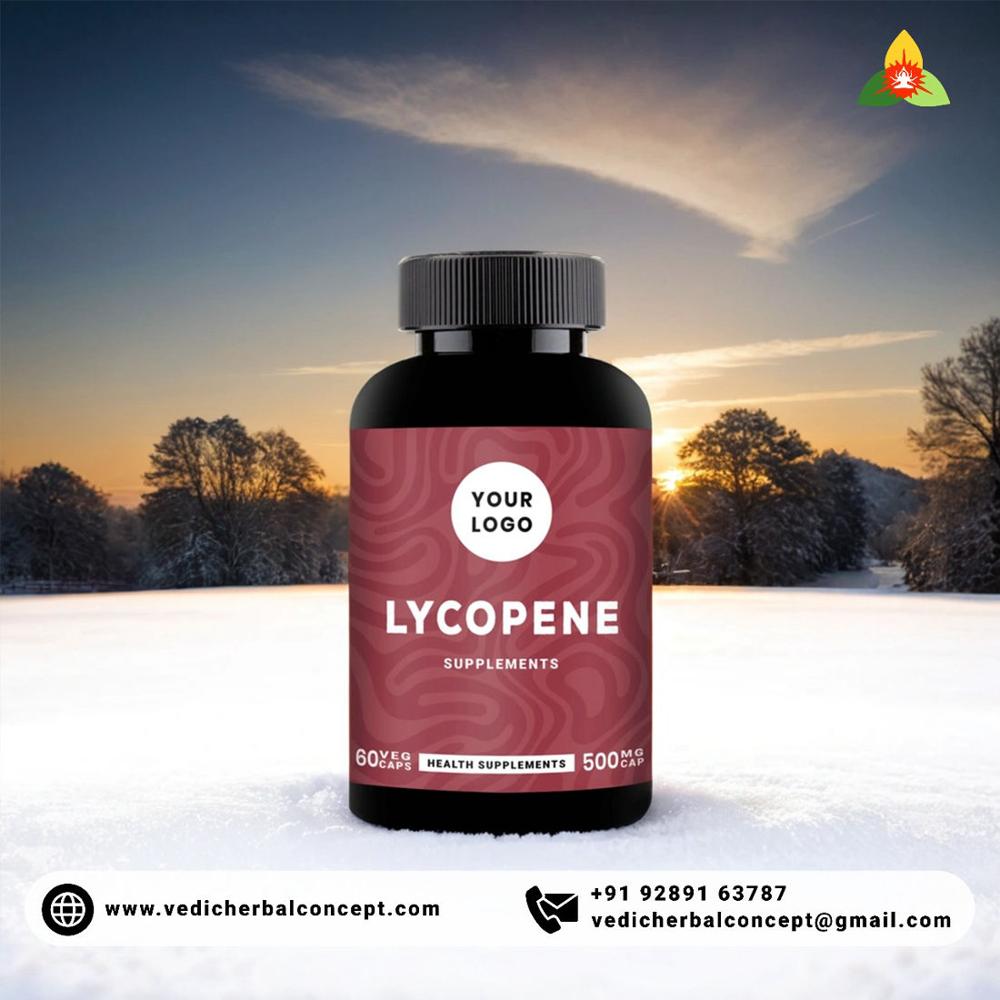
ALL ABOUT OF LYCOPENE CAPSULES
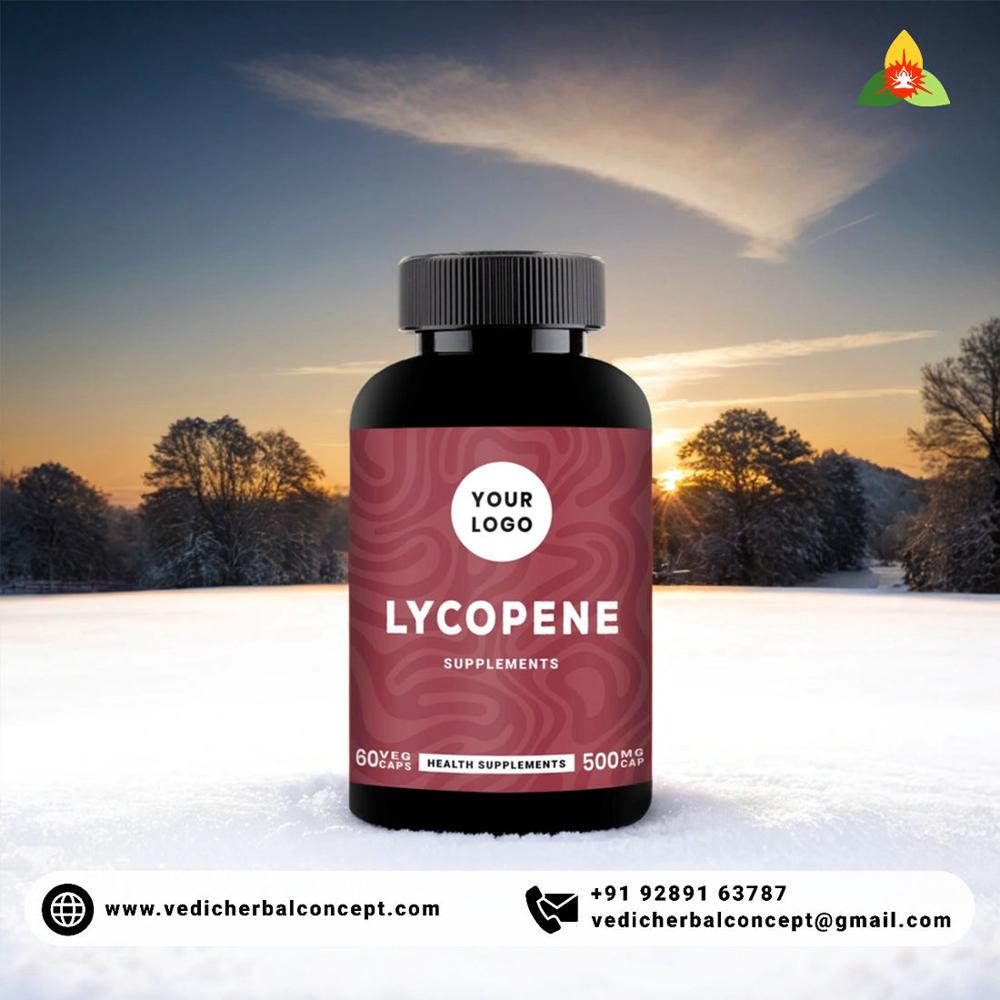
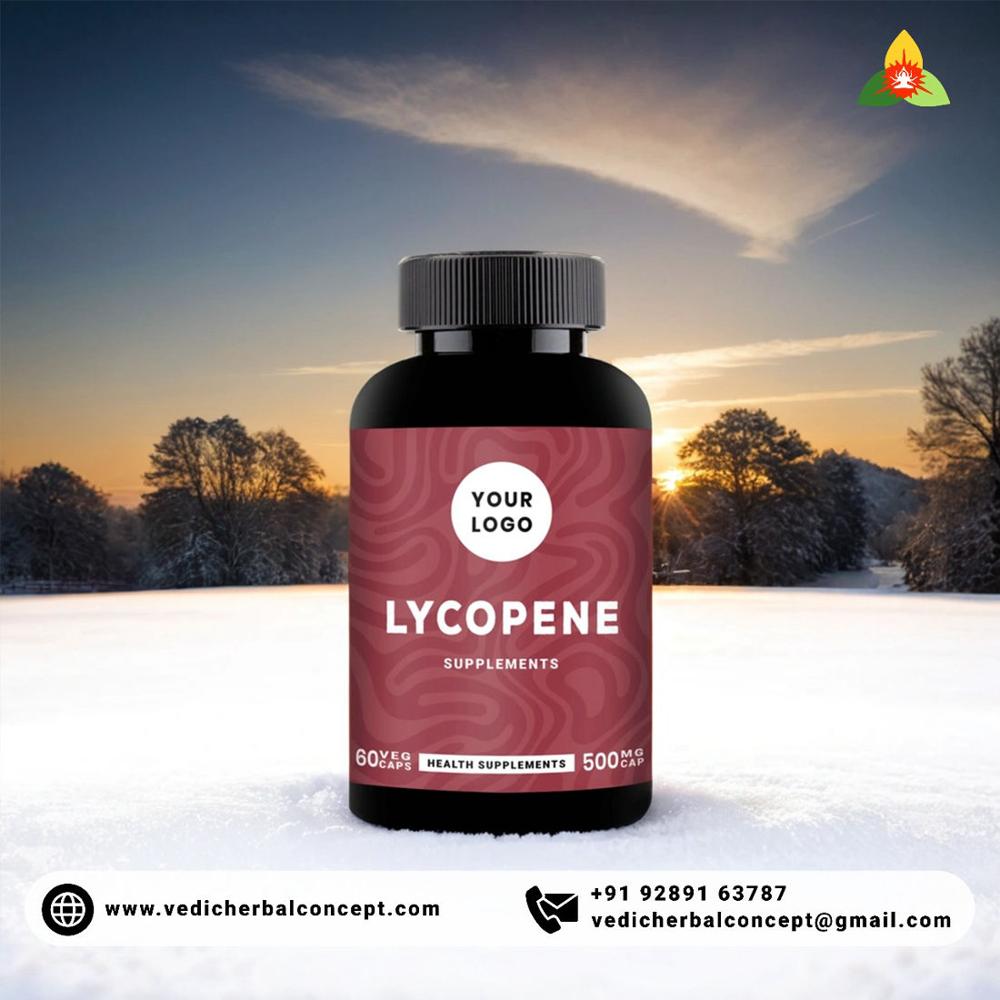
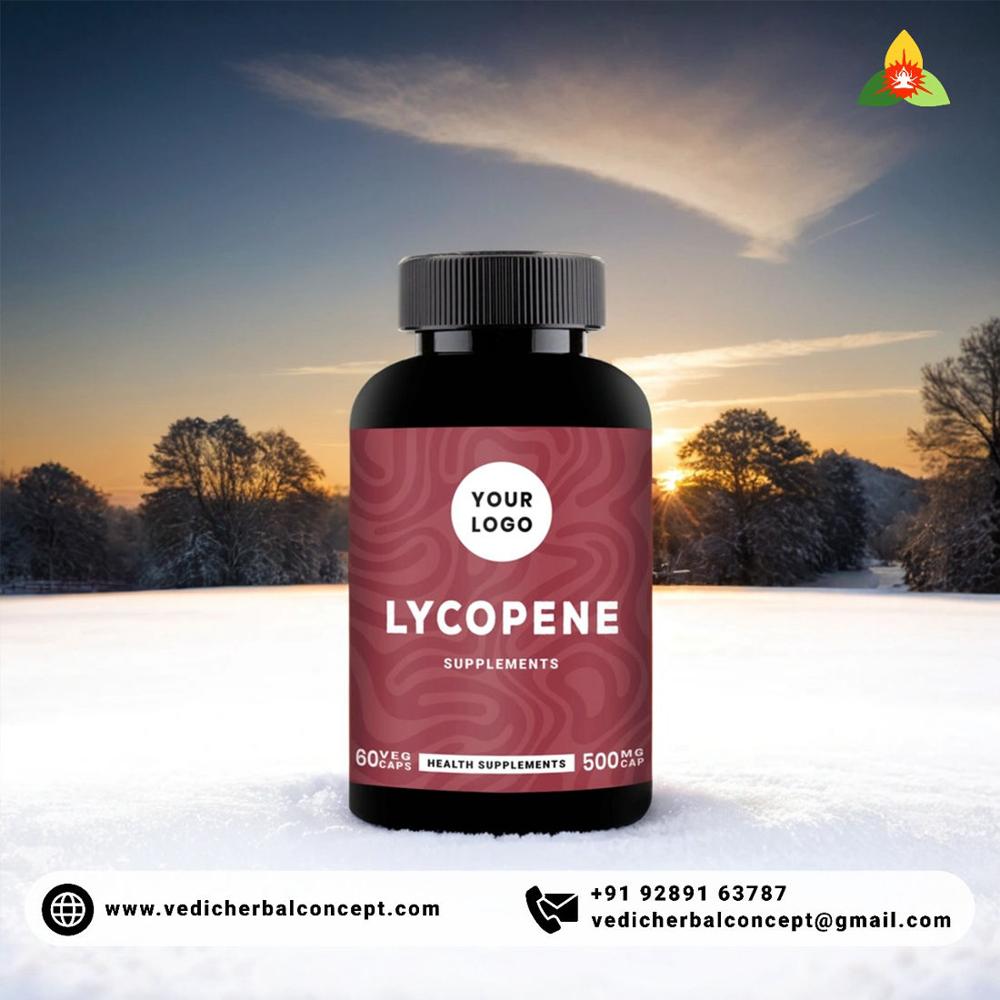
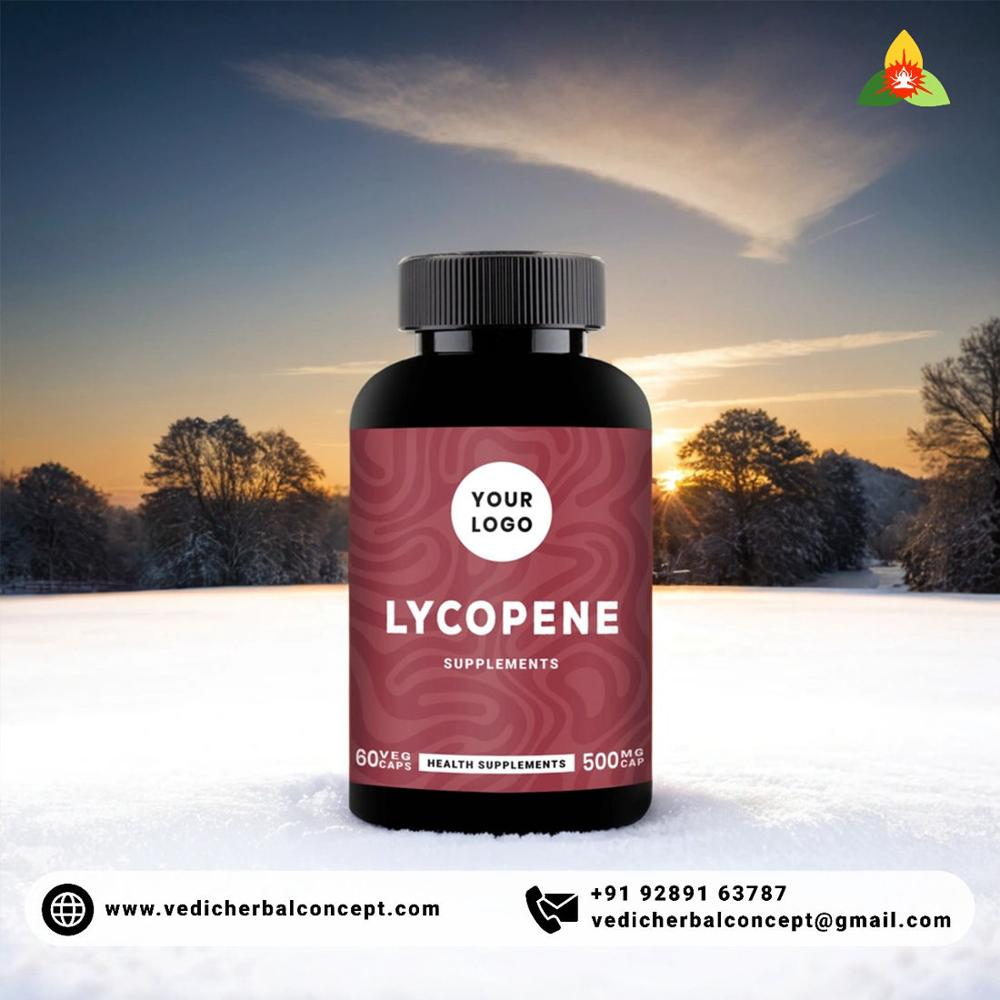
Lycopene capsules are a popular way to supplement the intake of this powerful antioxidant. Here is a comprehensive overview of what you should know about them.
What is Lycopene?Lycopene is a naturally occurring plant pigment and a type of carotenoid that gives red and pink fruits and vegetables their vibrant color. It is a potent antioxidant, which means it helps protect the body's cells from damage caused by free radicals. Unlike other carotenoids like beta-carotene, lycopene is not converted into Vitamin A in the body, allowing it to function directly as an antioxidant.
Health Benefits of Lycopene CapsulesResearch suggests that lycopene's antioxidant properties may offer a range of health benefits:
Heart Health: Lycopene may help lower the risk of heart disease by reducing LDL ("bad") cholesterol and improving overall blood pressure.
Cancer Prevention: Studies show a strong correlation between a high intake of lycopene and a reduced risk of certain cancers, particularly prostate, breast, lung, and digestive cancers. Its antioxidant action is believed to inhibit cancer cell growth.
Skin Protection: Lycopene can help protect the skin from damage caused by UV rays. While it's not a substitute for sunscreen, consistent intake has been linked to a reduced risk of sun-induced skin damage.
Eye Health: It may help prevent or delay the progression of age-related eye diseases.
Bone Health: Some studies indicate that lycopene may help support bone strength and decrease bone loss.
Recommended DosageThere is no official recommended daily allowance (RDA) for lycopene. However, studies have used varying dosages to achieve health benefits. A typical dosage for a lycopene capsule is between 10-30 mg, taken once or twice daily. Some studies on prostate cancer prevention have used doses of 15 mg twice daily. The "Observed Safe Level" for daily intake is up to 75 mg.
It is important to note that the body absorbs lycopene better when it is cooked or processed and consumed with fats.
Side Effects and PrecautionsLycopene is generally considered safe, but high doses can cause some side effects, though they are usually mild.
Stomach Issues: High intake may lead to gastrointestinal discomfort, such as nausea, indigestion, or diarrhea.
Natural Sources of LycopeneLycopene is abundant in many red and pink foods. The most common source is tomatoes and tomato-based products, which account for the majority of dietary lycopene intake.
Tomatoes: Processed tomato products like tomato paste, sauce, and ketchup have a higher concentration of bioavailable lycopene than raw tomatoes.
Watermelon
Pink Grapefruit
Guava
Papaya
Red Bell Peppers
FAQ
Q2: What are the main benefits of taking Lycopene capsules?A: Lycopene is primarily known for its benefits to heart health, its potential role in cancer prevention (especially prostate cancer), and its ability to help protect the skin from sun damage.
Q3: Is there a recommended daily intake for Lycopene?A: There is no official recommended daily allowance (RDA) for lycopene. Typical supplement dosages are between 10-30 mg per day, which has been shown to be effective in various studies.
Q4: Can I get Lycopene from my diet instead of a supplement?A: Yes, lycopene is abundant in foods like tomatoes (especially processed products like paste and sauce), watermelon, pink grapefruit, and guava. The body absorbs it best from cooked and processed food sources, especially when consumed with some fat.
Q5: Are there any side effects of Lycopene capsules?A: Lycopene is generally well-tolerated. High doses may cause mild stomach discomfort. A harmless side effect of consuming very large amounts is a temporary orange discoloration of the skin, a condition known as lycopenemia.
We deal only in bulk orders.





 Send Inquiry
 Send Inquiry
 Call Me Free
