Product Description
BENEFIT OF VITAMIN C CAPSULES
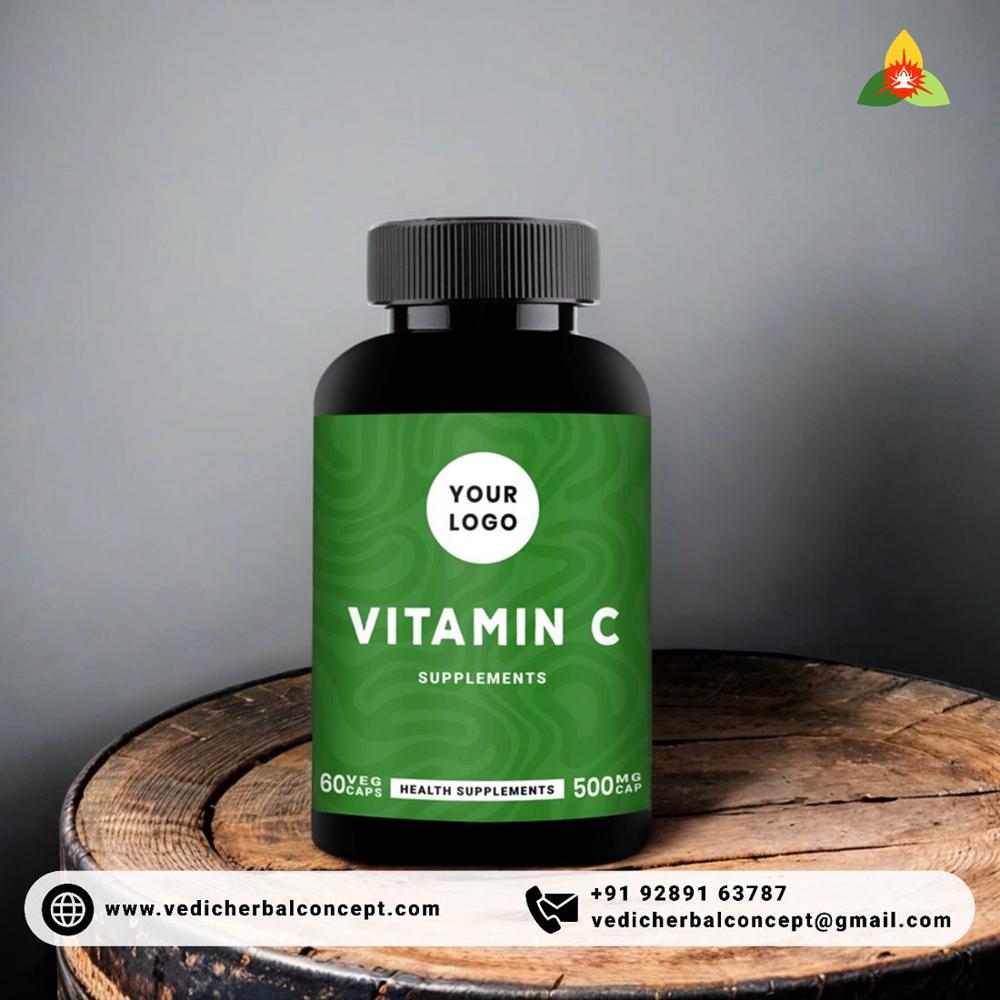
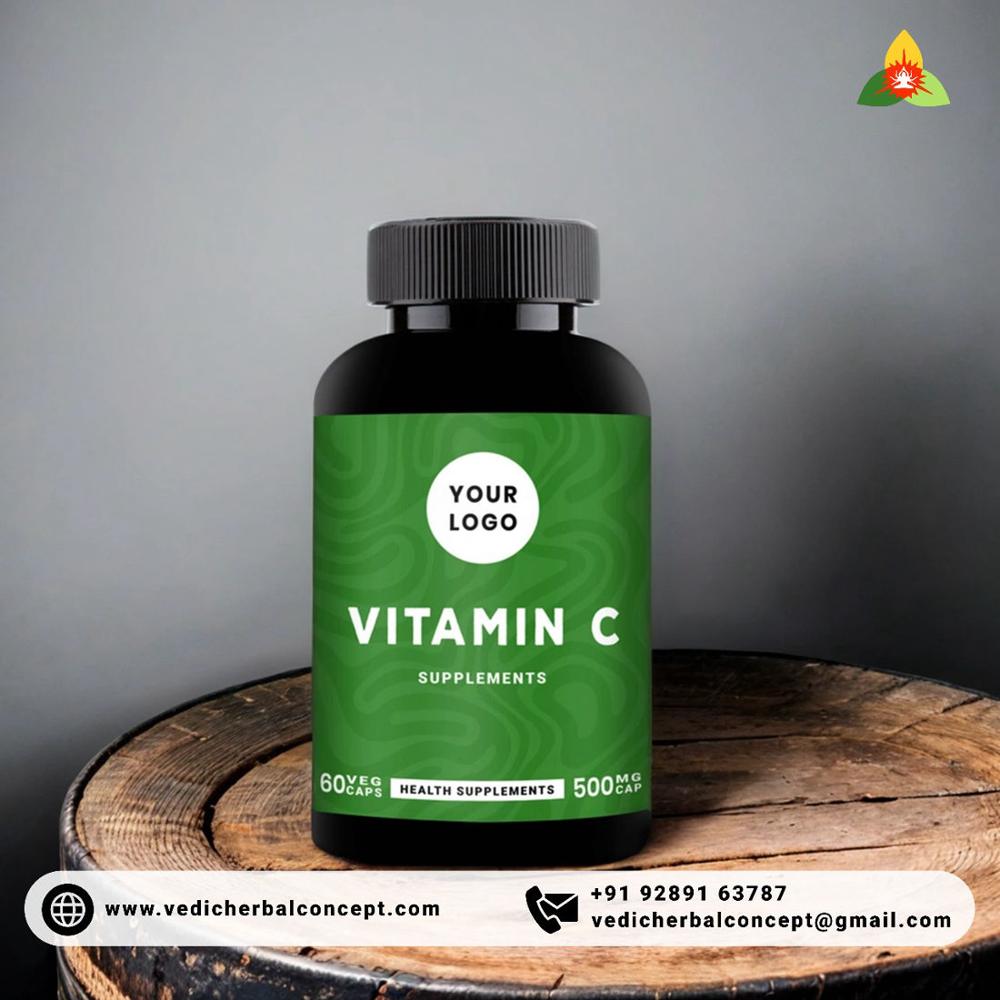
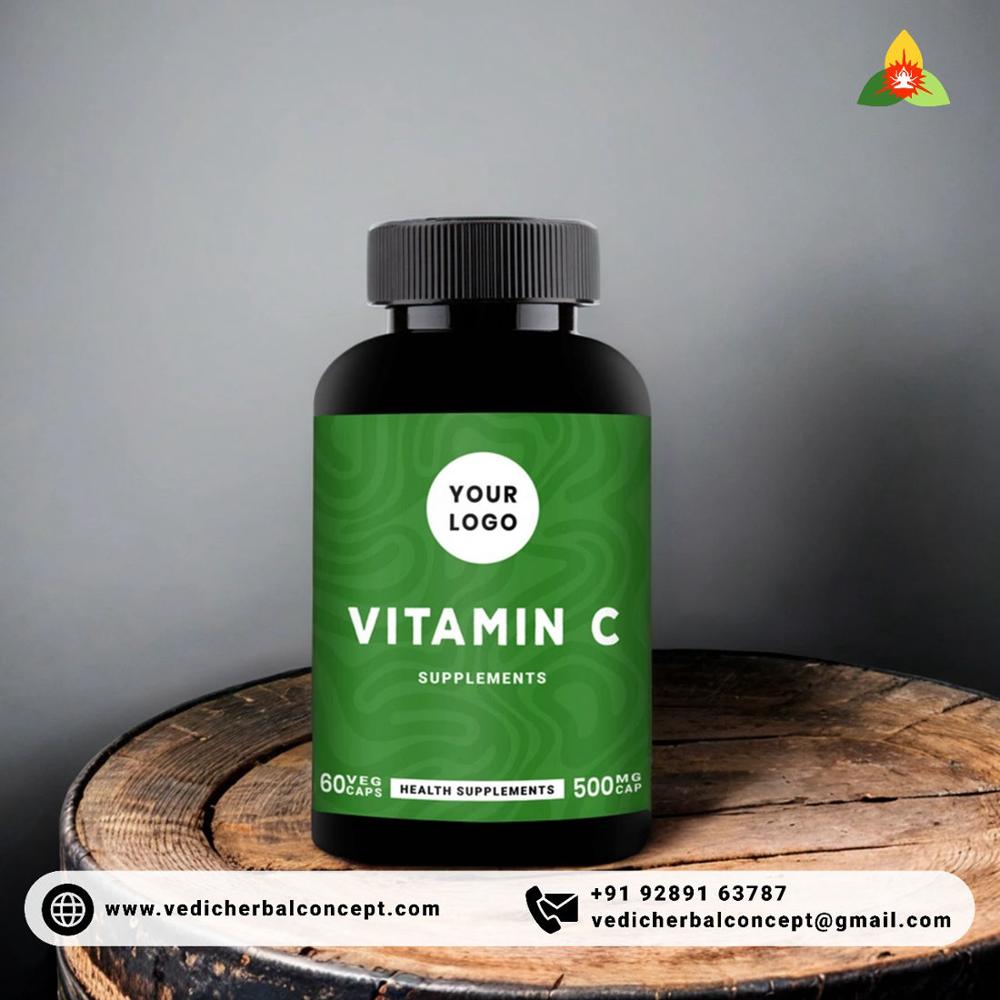
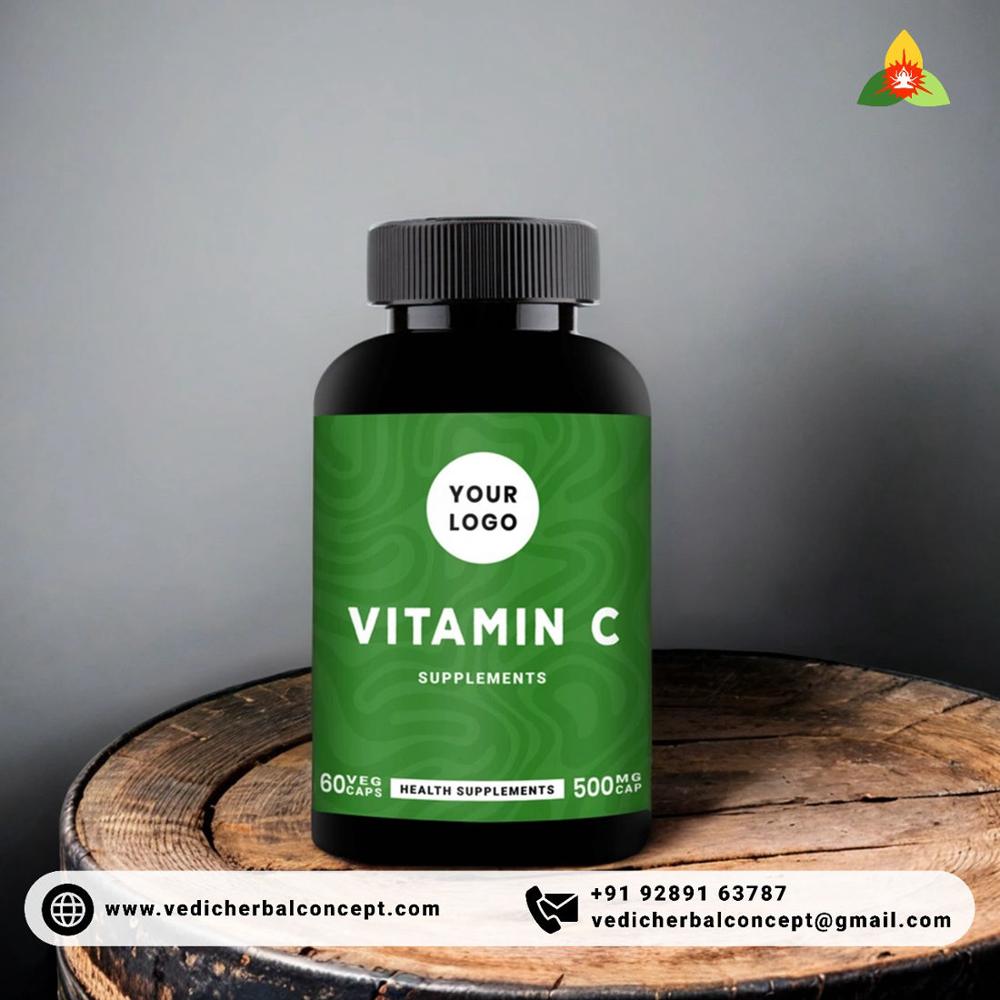
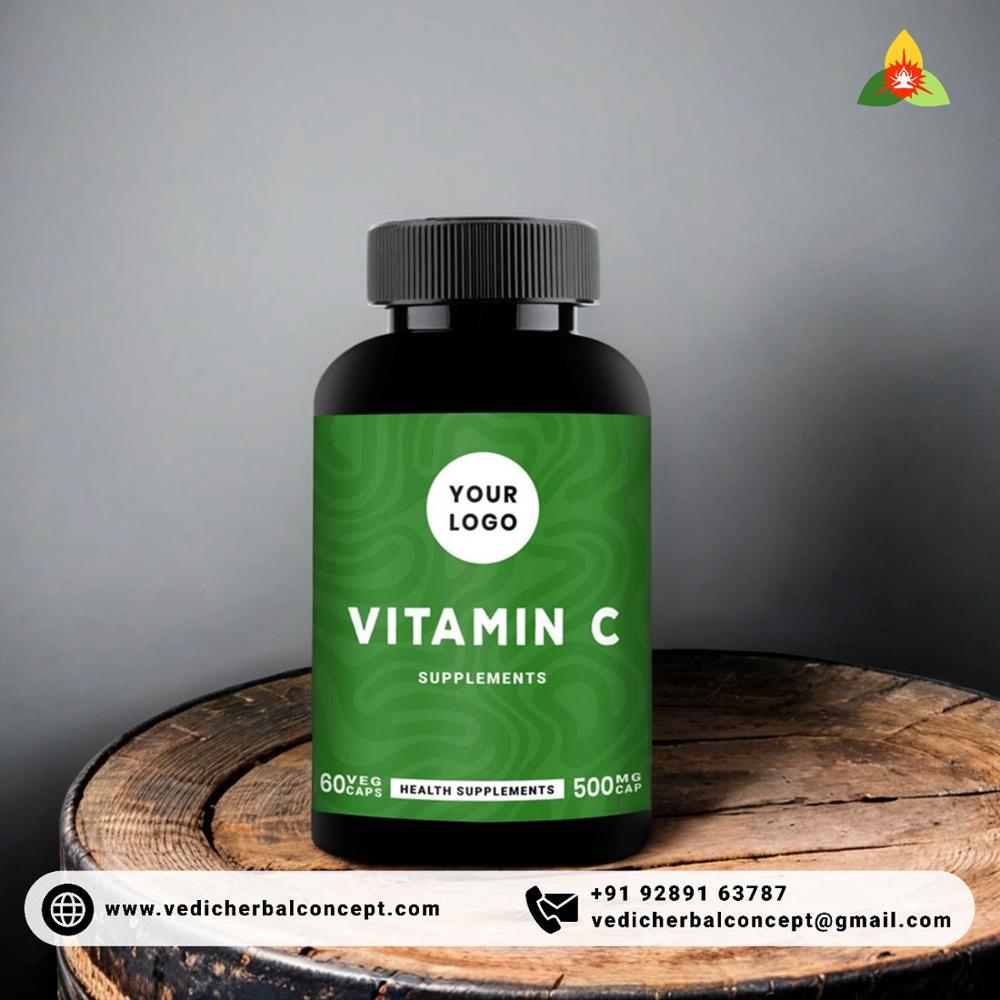
Vitamin C capsules, a dietary supplement, are commonly taken to boost the body's intake of this essential nutrient, which humans cannot produce on their own. The supplement, also known as ascorbic acid, offers a wide range of benefits, from strengthening the immune system to enhancing skin health.
Immune system support
Encourages production of white blood cells: Vitamin C helps stimulate the production of lymphocytes and phagocytes, white blood cells that help protect the body against infections.
Enhances immune cell function: It improves the function of these white blood cells and protects them from damage caused by free radicals.
Strengthens barriers against pathogens: Vitamin C is a vital part of the skin's defense system and supports the function of epithelial barriers, making it harder for pathogens to enter the body.
Protects against respiratory infections: While it may not prevent the common cold, regular intake can slightly shorten the duration and severity of cold symptoms. It may also help prevent more serious respiratory infections like pneumonia, especially in vulnerable populations.
Antioxidant protection
Fights free radicals: As a powerful antioxidant, vitamin C helps protect cells from damage caused by harmful molecules called free radicals.
Reduces oxidative stress: By neutralizing free radicals, vitamin C helps reduce oxidative stress, which has been linked to various chronic diseases and the aging process.
Recycles other antioxidants: Vitamin C helps to regenerate other important antioxidants in the body, such as vitamin E, enhancing the body's overall antioxidant defense.
Collagen synthesis and skin health
Boosts collagen production: Vitamin C is a critical cofactor in the synthesis of collagen, a protein that provides structure and elasticity to skin, tendons, ligaments, and cartilage.
Protects and repairs skin: By promoting collagen formation, vitamin C helps with wound healing, reduces the appearance of fine lines and wrinkles, and minimizes scarring.
Combats sun damage: Its antioxidant properties help protect against UV-induced photodamage and can aid in repairing damaged skin cells.
Brightens skin tone: Vitamin C can help reduce dark spots and hyperpigmentation by inhibiting the enzyme responsible for melanin production.
Cardiovascular and overall health
Supports heart health: Vitamin C contributes to cardiovascular health by protecting blood vessels and helping to manage blood pressure. Some studies suggest it may lower the risk of heart disease.
Improves iron absorption: It significantly enhances the absorption of non-heme iron (from plant-based foods), which can help prevent iron deficiency anemia, especially for those on vegetarian or vegan diets.
Maintains bone and cartilage: By supporting collagen formation, vitamin C helps maintain healthy bones, cartilage, and teeth.
Protects memory and cognitive function: Research suggests vitamin C's antioxidant effects may protect thinking and memory as you age and may be associated with a lower risk of cognitive decline.
Considerations
Dosage: Most people can get enough vitamin C through their diet. However, supplementation can be helpful for those with low dietary intake or increased needs due to factors like smoking or certain health conditions.
Side effects: Though generally safe, excessively high doses (over 2,000 mg per day) can cause gastrointestinal issues, such as diarrhea, nausea, and stomach cramps.
Medical advice: It is recommended to consult with a healthcare provider before starting any new supplement, especially if you have pre-existing conditions or are taking other medications.
We deal only in bulk orders.





 Send Inquiry
 Send Inquiry
 Call Me Free
