Product Description
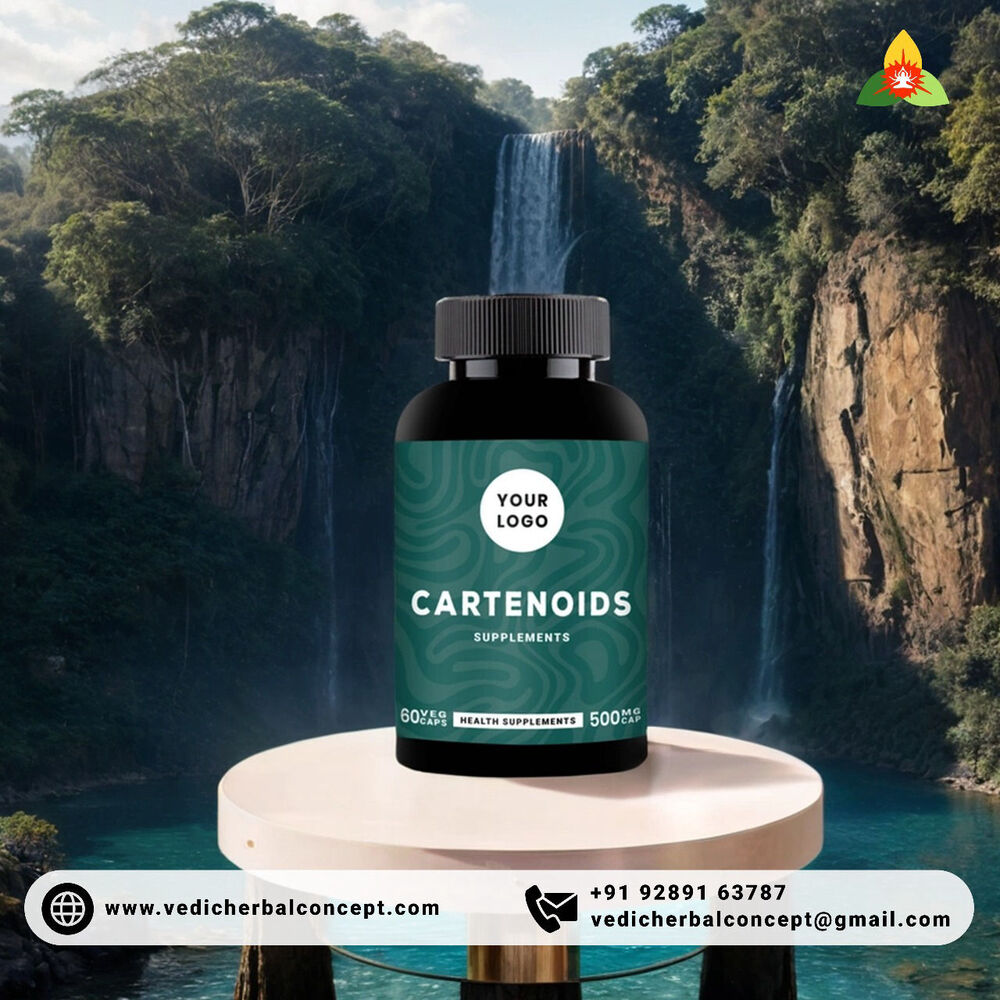
Carotenoids are natural pigments found in plants, algae, and some bacteria that give fruits and vegetables their vibrant yellow, orange, and red colors. The human body cannot produce them and must obtain them through diet or supplements. Once absorbed, carotenoids provide antioxidant properties and other health benefits throughout the body.
Carotenoids are primarily categorized into two groups, each with specific benefits:
Xanthophylls: These contain oxygen and have a more yellow pigment. Lutein and zeaxanthin are well-known xanthophylls that provide significant benefits for eye health.
Carotenes: These do not contain oxygen and are typically more orange-colored. Beta-carotene and lycopene are notable examples.
Benefits of carotenoids
Eye health
Protection against macular degeneration: High concentrations of lutein and zeaxanthin are found in the macula, the central part of the retina responsible for sharp vision. This helps protect against age-related macular degeneration (AMD), a leading cause of vision loss.
Blue light absorption: Lutein and zeaxanthin act as natural filters for high-energy blue light, which can damage the photoreceptor cells in the retina.
Improved visual performance: Adequate intake of these carotenoids can enhance visual acuity, contrast sensitivity, and reduce glare impairment.
Antioxidant activity
Neutralize free radicals: Carotenoids are powerful antioxidants that protect cells from damage caused by unstable molecules called free radicals.
Reduce oxidative stress: By neutralizing free radicals, carotenoids help prevent oxidative stress, a contributing factor in many chronic diseases, including heart disease and neurodegenerative disorders.
Cardiovascular health
Reduces inflammation: The anti-inflammatory properties of carotenoids can help lower overall inflammation in the body, which is a key factor in heart disease.
Lowers blood pressure and cholesterol: Studies suggest that some carotenoids, particularly lycopene, may lower high blood pressure and help reduce "bad" LDL cholesterol.
Cancer prevention
Inhibits cell growth: Carotenoids have demonstrated an ability to block the growth of certain cancer cells, primarily due to their antioxidant and anti-inflammatory properties.
Supports cellular communication: Some carotenoids aid in communication between cells, which can help prevent the spread of cancerous cells.
Protective associations: Epidemiological studies have linked a high dietary intake of carotenoids to a lower risk of certain cancers, including those of the breast and prostate.
Skin health
Protects against UV damage: Carotenoids, especially beta-carotene, help protect the skin from sun damage and UV-induced redness when consumed over time.
Improves appearance: By fighting free radicals, carotenoids may help reduce signs of aging and improve skin health and appearance.
Important considerations and risks
Supplements vs. food: It is generally best to get carotenoids from food sources, as the complex interactions of compounds in whole foods may offer more benefits. A balanced diet of colorful fruits and vegetables is recommended.
Smokers and asbestos exposure: High-dose beta-carotene supplementation is not recommended for people who smoke, have a history of smoking, or have been exposed to asbestos. Clinical trials have found an increased risk of lung cancer in these populations with high-dose supplementation.
Absorption: As fat-soluble compounds, carotenoids are best absorbed when consumed with dietary fat. Cooking or shredding carotenoid-rich vegetables can also increase their bioavailability.
Medical advice: As with any supplement, it is best to consult with a healthcare professional before taking carotenoid capsules, especially if you have pre-existing health conditions or take other medications
We deal only in bulk orders.





 Send Inquiry
 Send Inquiry
 Call Me Free
